All-in-One-Plattform für KI-Lernen und -Entwicklung im Bereich Edge Intelligence
Dieses auf dem NVIDIA Jetson Orin Nano basierende KI-Starter-Kit ist eine vielseitige Plattform für Lernen, Entwicklung und praktische Experimente im Bereich Edge AI.
Das für den Einsatz mit dem NVIDIA Jetson Orin Nano konzipierte Kit kombiniert ein 11,6-Zoll-IPS-Display, eine schwenk- und neigbare 8-Megapixel-Kamera sowie ein KI-gestütztes Sprachinteraktionssystem.
Es umfasst 30 Funktionsmodule und 38 sorgfältig ausgearbeitete Python-Kurse, die vom Anfänger- bis zum Fortgeschrittenenniveau reichen. Die Kursinhalte decken Python-Grundlagen, Sensortechnologie, KI-basierte Bildverarbeitung (AI Vision) und Objekterkennung ab.
Dank praktischer Schritt-für-Schritt-Übungen – von der grundlegenden Programmierung bis hin zu praxisnahen Computer-Vision-Anwendungen – bietet dieses Kit eine ideale Plattform für Schüler, Maker, Entwickler und alle, die sich mit künstlicher Intelligenz und Edge Computing beschäftigen möchten.
Hinweis: Der NVIDIA Jetson Orin Nano ist nicht im Lieferumfang enthalten.
Features
Entwickelt für den NVIDIA Jetson Orin Nano
KI-Sprachinteraktionsmodul
8-MP-Kamera mit Schwenk-Neige-Steuerung
Unterstützt Objekt- und Gesichtserkennung (Tracking)
Kein Löten oder aufwendige Verkabelung erforderlich
Integriertes 11,6-Zoll-IPS-Display
30 Funktionsmodule
38 Schritt-für-Schritt-Python-Lektionen
Erweiterungsschnittstellen für I²C, UART und GPIO
Tragetasche im Lieferumfang enthalten
Technische Daten
Hauptprozessor
Jetson Orin Nano
Anzahl der Sensoren
30
Design des Sensor-Boards
Integriertes Sensor-Board; kein Löten oder aufwendige Verkabelung erforderlich
Bildschirm
11,6-Zoll-IPS-Bildschirm
Bildschirmauflösung
1366 x 768
Kamera
IMX219 8 MP
Erweiterungsschnittstellen
2x I²C, 1x UART, 1x IO D13, 1x IO D12
Programmierumgebung
Python-basiert
Anzahl der Tutorials
38 kreative Tutorials
Zielgruppe
Schüler, Lehrkräfte, Hardware-Enthusiasten
Anwendungsszenarien
Ideal zum Erlernen der KI-Programmierung und der Grundlagen des Jetson Orin Nano
Abmessungen
300 x 200 x 100 mm
Modulliste
Modul
Anzahl
Temperatur- und Feuchtigkeitssensor
1 Stk.
Taster
4 Stk.
Ultraschall-Abstandssensor
1 Stk.
Lichtsensor
1 Stk.
Linear-Potentiometer
1 Stk.
Summer
1 Stk.
LCD
1 Stk.
Infrarot-Fernbedienung
1 Stk.
Relais
1 Stk.
NFC
1 Stk.
PIR-Bewegungssensor
1 Stk.
Joystick
1 Stk.
4-stelliges Display
1 Stk.
LED
1 Stk.
Mikrofon
1 Stk.
Lautsprecher
1 Paar
Vibrationsmotor
1 Stk.
Berührungssensor
1 Stk.
8x8-RGB-Matrix
1 Stk.
Luftdrucksensor
1 Stk.
Neigungsschalter
1 Stk.
Schrittmotor
1 Stk.
Beschleunigungs- und Gyroskopsensor
1 Stk.
Gassensor (MQ2)
1 Stk.
Hall-Sensor
1 Stk.
Drehgeber (Rotary Encoder)
1 Stk.
Gabellichtschranke
1 Stk.
NTC
1 Stk.
Servo
2 Stk.
Monokulare Kamera
1 Stk.
Lieferumfang
1x Elecrow AI Starter Kit für Jetson Orin Nano
1x IR-Fernbedienung
1x NFC-Karte
1x 128 GB SD-Karte
1x 40-Pin-GPIO-Kabel
2x 22-Pin-FPC-Kabel
2x 24-Pin-FPC-Kabel
1x Jetson-DP- und USB-Adapterplatine
Nicht enthalten
NVIDIA Jetson Orin Nano
Downloads
Manual
Wiki
OpenClaw Install and Config Guide
Dieses Bundle enthält alles, was Sie brauchen, um direkt mit dem XIAO ESP32-C3 Development Board loszulegen. Lernen Sie die Grundlagen des ESP32-C3 kennen und entwickeln Sie praktische Projekte mit Wi-Fi, Bluetooth, Sensoren, Displays, PWM, Deep Sleep und vielem mehr.
Buch: Build Smart Projects with the XIAO ESP32-C3 Board
Das XIAO ESP32-C3 Board kombiniert den ultrakompakten Formfaktor der XIAO-Serie mit den umfangreichen Funktionen des ESP32-C3-Chips, einschließlich integriertem Wi-Fi und Bluetooth 5.0. Dieses Buch ist ein umfassender, praxisorientierter Leitfaden, mit dem Sie das Potenzial dieses leistungsstarken und dennoch preisgünstigen Development Boards voll ausschöpfen können.
Der Autor führt die Leser von den Grundlagen bis hin zu fortgeschrittenen Projekten. Angefangen beim Blinken und Dimmen von LEDs geht es weiter mit ADC und PWM für die präzise Anbindung von Sensoren und PWM-gesteuerte Lichteffekte, bevor praktische Anwendungen aus der realen Welt umgesetzt werden, darunter:
Eine Wi-Fi-Wetterstation mit OLED-Display und aktuellen Online-Wetterdaten
Ein Ultraschall-Einparkassistent mit akustischer Rückmeldung
Eine Kühlschrank-Messsonde mit Klimasensoren und Deep Sleep für jahrelangen Batteriebetrieb
Ein Retro-Pong-Spiel, das berührungslos per Sensor gesteuert wird
Eine mikrofonbasierte Party-App, die auf Klatschen reagiert
Und vieles mehr: Lichtsteuerung, Reaktionszeitmessung, Netzfrequenzanalyse, Bodenfeuchtemessung, LED-Ambientebeleuchtung und 7-Segment-Anzeigen
Seeed Studio XIAO ESP32C3
Das Seeed Studio XIAO ESP32C3 ist mit einem hochintegrierten ESP32-C3-Chip ausgestattet, der auf einem 32-Bit-RISC-V-Prozessor mit vierstufiger Pipeline basiert und mit bis zu 160 MHz arbeitet.
Das Board verfügt über ein hochintegriertes ESP32-C3-SoC. Der Chip ist mit einem vollständigen 2,4-GHz-Wi-Fi-Subsystem ausgestattet und unterstützt damit den Station-Modus, SoftAP-Modus, SoftAP-&-Station-Modus sowie den Promiscuous-Modus für unterschiedliche Wi-Fi-Anwendungen. Gleichzeitig arbeitet er äußerst energieeffizient und unterstützt Bluetooth 5 sowie Bluetooth Mesh. Mit 400 KB SRAM und 4 MB Flash bietet der Chip ausreichend Speicherplatz für Programme und eröffnet zahlreiche Möglichkeiten für IoT-Steuerungsanwendungen.
Anwendungen
Internet der Dinge (IoT)
Wearables
Gesundheitsüberwachung
Bildung
Energiesparende Netzwerke
Schnelle Prototypenentwicklung
Technische Daten
Processor
ESP32-C3 SoC
RISC-V single-core 32-bit chip processor with a four-stage pipeline that operates at up to 160 MHz
Wireless
Complete 2.4GHz Wi-Fi subsystem
Bluetooth Low Energy 5.0/ Bluetooth Mesh
On-chip Memory
400 KB SRAM & 4 MB Flash
Interface
1x UART, 1x I²C, 1x SPI, 11x GPIO (PWM), 4x ADC
1x Reset button, 1x Boot button
Power (Typ.)
Max 3.3 V Output Current: 500 mA Test Condition: BAT Pin Input @ 3.8 V Source Capability: 3 A
Charging current: 380 mA(Fast) / 40 mA(Trickle)
Input voltage (VIN): 5 VInput voltage (BAT): 3.7 V
Deep Sleep Power Consumption
Deep Sleep Mode: 44 μA
Wi-Fi Enabled Power Consumption
Active Mode: 75 mA
Modem-sleep Mode: 25 mA
Light-sleep Mode: 4 mA
BLE Enabled Power Consumption
Modem-sleep Mode: 27 mA
Light-sleep Mode: 10 mA
Dimensions
21 x 17.8 mm
Lieferumfang
1x Seeed Studio XIAO ESP32C3
1x Antenne
2x 7-Pin-Header
Downloads
Wiki
Datasheet
Dieses Bundle enthält:
Buch: Build Smart Projects with the XIAO ESP32-C3 Board (Einzelpreis: 35 €)
Board: Seeed Studio XIAO ESP32C3 (Einzelpreis: 10 €)
Entdecken Sie grenzenlose Kreativität mit dem Universal Maker Sensor Kit, das für Raspberry Pi, Pico W, Arduino und ESP32 entwickelt wurde. Dieses vielseitige Kit ist mit gängigen Entwicklungsplattformen kompatibel, darunter Arduino Uno R4 Minima/WiFi, Uno R3, Mega 2560, Raspberry Pi 5, 4, 3B+, 3B, Zero, Pico W und ESP32.
Mit über 35 Sensoren, Aktoren und Displays eignet es sich perfekt für Projekte von Umweltüberwachung und Smart-Home-Automatisierung bis hin zu Robotik und interaktivem Gaming. Schritt-für-Schritt-Tutorials in C/C++, Python und MicroPython führen Anfänger und erfahrene Maker gleichermaßen durch 169 spannende Projekte.
Features
Umfassende Kompatibilität: Vollständige Unterstützung für Arduino (Uno R3, Uno R4 Minima/WiFi, Mega 2560), Raspberry Pi (5, 4, 3B+, 3B, Zero, Pico W) und ESP32. Dies ermöglicht umfassende Flexibilität auf zahlreichen Entwicklungsplattformen. Enthält Anleitungen für 169 Projekte.
Umfassende Komponenten: Mehr als 35 Sensoren, Aktoren und Anzeigemodule für vielfältige Projekte wie Umweltüberwachung, Smart Home-Automatisierung, Robotik und interaktive Spielesteuerungen.
Ausführliche Tutorials: Klare Schritt-für-Schritt-Anleitungen für Arduino, Raspberry Pi, Pico W, ESP32 und alle enthaltenen Komponenten. Es stehen Tutorials in C/C++, Python und MicroPython zur Verfügung, die sowohl für Anfänger als auch für erfahrene Maker geeignet sind.
Für alle Kenntnisstufen geeignet: Bietet strukturierte Projekte, die Benutzer nahtlos vom Anfänger zum Fortgeschrittenen in Elektronik und Programmierung führen und so Kreativität und technisches Know-how fördern.
Lieferumfang
Breadboard
Tastenmodul
Kapazitives Bodenfeuchtemodul
Flammensensormodul
Gas-/Rauchsensormodul (MQ2)
Gyroskop & Beschleunigungssensormodul (MPU6050)
Hall-Sensormodul
Infrarot-Geschwindigkeitssensormodul
IR-Hindernisvermeidungssensormodul
Joystickmodul
PCF8591 ADC/DAC-Wandlermodul
Fotowiderstandsmodul
PIR-Bewegungssensormodul (HC-SR501)
Potentiometermodul
Pulsoximeter- und Herzfrequenzsensormodul (MAX30102)
Regentropfenerkennungsmodul
Echtzeituhrmodul (DS1302)
Drehgebermodul
Temperatursensormodul (DS18B20)
Temperatur- und Feuchtigkeitssensormodul (DHT11)
Temperatur, Luftfeuchtigkeit und Drucksensor (BMP280)
Time-of-Flight-Mikro-LIDAR-Distanzsensor (VL53L0X)
Berührungssensormodul
Ultraschallsensormodul (HC-SR04)
Vibrationssensormodul (SW-420)
Wasserstandssensormodul
I²C LCD 1602
OLED-Displaymodul (SSD1306)
RGB-LED-Modul
Ampelmodul
5-V-Relaismodul
Kreiselpumpe
L9110-Motortreibermodul
Passives Summermodul
Servomotor (SG90)
TT-Motor
ESP8266 Modul
JDY-31 Bluetooth-Modul
Stromversorgungsmodul
Dokumentation
Online-Tutorial
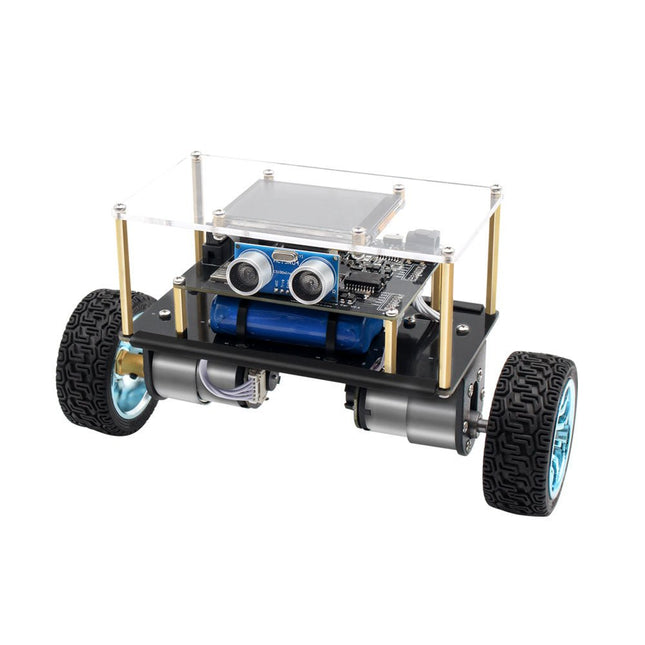
Der Elektor Mini-Wheelie ist eine experimentelle autonome selbstbalancierende Roboterplattform. Der selbstbalancierende Roboter basiert auf einem ESP32-S3-Mikrocontroller und ist mithilfe der Arduino-Umgebung und Open-Source-Bibliotheken vollständig programmierbar. Dank seiner drahtlosen Fähigkeiten kann er über WLAN, Bluetooth oder ESP-NOW ferngesteuert werden oder mit einem Benutzer oder sogar einem anderen Roboter kommunizieren.
Zur Erkennung von Hindernissen steht ein Ultraschallwandler zur Verfügung. Über das Farbdisplay lassen sich niedliche Gesichtsausdrücke oder für den bodenständigeren Nutzer auch kryptische Debug-Meldungen darstellen.
Der Roboter wird als Komplettbausatz mit Teilen geliefert, die Sie selbst zusammenbauen müssen. Alles ist dabei, sogar ein Schraubenzieher.
Hinweis: Der Mini-Wheelie ist eine pädagogische Entwicklungsplattform, die zum Lernen, Experimentieren und zur Entwicklung von Robotern gedacht ist. Er ist nicht als Kinderspielzeug klassifiziert, und seine Funktionen, Dokumentation und Zielgruppe spiegeln diesen Zweck wider. Das Produkt richtet sich an Studenten, Dozenten und Entwickler, die Robotik, Programmierung und Hardware-Integration in einem pädagogischen Umfeld erforschen möchten.
Technische Daten
ESP32-S3 Mikrocontroller mit WLAN und Bluetooth
MPU6050 6-achsige Inertial Measurement Unit (IMU)
Zwei unabhängig gesteuerte 12 V-Elektromotoren mit Drehzahlmesser
Ultraschallwandler
2,9" TFT-Farbdisplay (320 x 240)
MicroSD-Kartensteckplatz
Batterieleistungsmonitor
3S wiederaufladbarer Li-Po-Akku (11,1 V/2200 mAh)
Batterieladegerät im Lieferumfang enthalten
Arduino-basierte Open-Source-Software
Abmessungen (B x L x H): 23 x 8 x 13 cm
Lieferumfang
1x ESP32-S3 Mainboard + MPU6050 Modul
1x LCD-Board (2,9 Zoll)
1x Ultraschallsensor
1x Akku (2200 mAh)
1x Batterieladegerät
1x Motorreifen-Set
1x Gehäuseplatine
1x Acrylplatte
1x Schraubendreher
1x Schutzstreifen
1x Flexkabel B (8 cm)
1x Flexkabel A (12 cm)
1x Flexkabel C
4x Kupfersäule A (25 mm)
4x Kupfersäule B (55 mm)
4x Kupfersäule C (5 mm)
2x Kunststoff-Nylonsäule
8x Schrauben A (10 mm)
24x Schrauben B (M3x5)
8x Nüsse
24x Metallscheiben
2x Kabelbinder
1x MicroSD-Karte (32 GB)
Downloads
Documentation
Nur für kurze Zeit gibt es das Joy-Pi Advanced im vorteilhaften Bundle mit einem Raspberry Pi 4 (8 GB)!
Der Joy-Pi Advanced ist ein kompaktes und leistungsstarkes Gerät, welches Ihnen ermöglicht, Ihre Projekte schnell und einfach zu realisieren. Egal, ob Sie bereits viel Erfahrung haben, oder noch so gut wie gar keine – mit dem Joy-Pi Advanced können Sie Ihrer Kreativität freien Lauf lassen. Dank der Kompatibilität mit einer Vielzahl von Plattformen, einschließlich Raspberry Pi, Raspberry Pi Pico, Arduino Nano, BBC micro:bit und NodeMCU ESP32, können Sie einfach und schnell auf Ihre bevorzugte Plattform zugreifen.
Darüber hinaus bietet der Joy-Pi Advanced mehr als 30 Stationen, Lektionen und Module, die Ihnen eine unbegrenzte Vielzahl an Möglichkeiten bieten, um Ihre Projekte zu realisieren. Mit der eigenentwickelten Lernzentrale, können Sie nicht nur Ihre Fähigkeiten verbessern, sondern auch neue Projekte erstellen. Die Lernzentrale bietet eine Fülle an Informationen und Tutorials, die Sie Schritt für Schritt durch Ihre Projekte führen.
Joy-Pi Advanced zeichnet sich insbesondere durch seine intelligenten Schaltereinheiten aus, die eine erweiterte Nutzung der verfügbaren Pins erlauben. Dabei sind insgesamt drei Schaltereinheiten integriert, jede mit 12 einzelnen Schaltern ausgestattet, die für eine präzise Steuerung der verbundenen Sensoren und Module sorgen. Dieses System löst das bekannte Problem der begrenzten Pin-Anzahl, das bei herkömmlichen Mikrocontrollern auftritt. Die Schaltereinheiten ermöglichen es Ihnen, eine Vielzahl von Sensoren und Modulen parallel zu betreiben, indem sie einzeln ein- und ausgeschaltet werden können. Dadurch wird eine Mehrfachbelegung der Pins simuliert, die es Ihnen ermöglicht, die volle Leistungsfähigkeit Ihrer Projekte auszuschöpfen, ohne Kompromisse bei der Funktionalität eingehen zu müssen.
Durch der Kombination von innovativen Adapterplatinen und dem micro:bit-Slot erreicht man eine nahtlose Kompatibilität mit einer Vielzahl von Mikrocontrollern wie Raspberry Pi Pico, NodeMCU ESP32, micro:bit und Arduino Nano. Die speziell entwickelten Adapterplatinen sind so konzipiert, dass sie perfekt auf den jeweiligen Mikrocontroller abgestimmt sind. Durch das Aufstecken des Mikrocontrollers auf die passende Adapterplatine und das anschließende Einstecken in den micro:bit-Slot wird der Joy-Pi Advanced schnell und unkompliziert mit den unterschiedlichen Mikrocontrollern kompatibel. Dies ermöglicht eine nahtlose Integration Ihrer bevorzugten Plattform und die Möglichkeit, die Stärken der verschiedenen Mikrocontroller in Ihren Projekten zu kombinieren. Auf diese Weise können Sie sich voll und ganz auf Ihre kreativen Projekte konzentrieren, ohne sich Gedanken über die Kompatibilität verschiedener Mikrocontroller machen zu müssen. Der Joy-Pi Advanced vereinfacht den Entwicklungsprozess und gibt Ihnen die Möglichkeit, Ihre Projekte flexibel und individuell zu gestalten.
Features
Hochintegrierte Entwicklungsplattform & Lernzentrale
Schnelles, einfaches & kabelloses Kombinieren von verschiedensten Sensoren & Aktoren
Einbaumöglichkeit für Raspberry Pi 4
Kompatibel mit verschiedensten Mikrocontrollern
Eigenentwickelte, didaktische Lernplattform für Raspberry Pi & Windows
Technische Daten
Kompatibel mit
Raspberry Pi 4, Arduino Nano, NodeMCU ESP32, BBC micro:bit, Raspberry Pi Pico
Verbaute Sensoren, Aktoren & Komponenten
39
Lernplattform
Über 40 Einträge in der Wissensdatenbank, 10 Projekte, 10 Lernaufgaben, 14 Visionen
Displays
7-Segment Display, 16x2 Display, 1,8“ TFT Display, 0,96“ OLED Display, 8x8 RGB Matrix
Sensoren
DS18B20, Schock-Sensor, Hall-Sensor, Barometer, Sound-Sensor, Gyroskop, PIR-Sensor, Lichtschranke, NTC, Lichtsensor, 6x Touchsensor, Farb-Sensor, Ultraschall-Abstandssensor, DHT11 Temperatur- & Feuchtigkeitssensor
Steuerung
Joystick, 5x Schalter, Potentiometer, Drehencoder, 4x4 Button-Matrix, Relais, PWM-Lüfter
Motoren
Servo-Schnittstelle, Schrittmotor-Schnittstelle, Vibrationsmotor
Mess- und Wandelmodule
Analog-Digital Converter, Pegelwandler, Voltmeter, Variable Spannungsversorgung
Sonstige Komponenten
RTC Echtzeituhr, Buzzer, EEPROM-Speicher, Infrarot-Empfänger, Breadboard, RFID-Lesegerät
Adapterboards
Adapter für NodeMCU ESP32, Arduino Nano & Raspberry Pi Pico, Boardconnectoren für Raspberry Pi & Externe Boards
Elektronische Komponenten
Infrarot-Fernbedienung, RFID-Chip, RFID-Karte, 6x Krokodilklemmen, microSD-Karten-Lesegerät, Servomotor, Schrittmotor, 32 GB microSD-Karte
Bauteile
40x Widerstände, 3x grüne LEDs, 3x gelbe LEDs, 3x rote LEDs, 1x Transistor, 5x Buttons, 1x Potentiometer, 2x Kondensatoren
Weiteres Zubehör
Schraubensortiment, Schraubendreher, Zubehör-Aufbewahrungstasche, Netzgerät & Netzkabel, Servohalterung
Stromversorgung
Verbautes Netzgerät: 36 W, 12 V, 3 A Gehäuseanschluss: Kleingeräte-Stecker C8
Spannungsausgänge
12 V, 5 V, 3,3 V, Variabler Spannungsausgang (2-11 V)
Ausgeführte Datenbusse & Signalausgänge
I²C, SPI, Analog-Digital-Wandler
Batterie (RTC)
CR2032
Abmessungen
327 x 200 x 52 mm
Inbegriffen
Raspberry Pi 4 (8 GB RAM)
Downloads
Joy-Pi Website
Datenblatt
Anleitung
The FRDM-MCXN947 is a compact and versatile development board designed for rapid prototyping with MCX N94 and N54 microcontrollers. It features industry-standard headers for easy access to the MCU's I/Os, integrated open-standard serial interfaces, external flash memory, and an onboard MCU-Link debugger.
Technische Daten
Microcontroller
MCX-N947 Dual Arm Cortex-M33 cores @ 150 MHz each with optimized performance efficiency, up to 2 MB dual-bank flash with optional full ECC RAM, External flash
Accelerators: Neural Processing Unit, PowerQuad, Smart DMA, etc.
Memory Expansion
*DNP Micro SD card socket
Connectivity
Ethernet Phy and connector
HS USB-C connectors
SPI/I²C/UART connector (PMOD/mikroBUS, DNP)
WiFi connector (PMOD/mikroBUS, DNP)
CAN-FD transceiver
Debug
On-board MCU-Link debugger with CMSIS-DAP
JTAG/SWD connector
Sensor
P3T1755 I³C/I²C Temp Sensor, Touch Pad
Expansion Options
Arduino Header (with FRDM expansion rows)
FRDM Header
FlexIO/LCD Header
SmartDMA/Camera Header
Pmod *DNP
mikroBUS
User Interface
RGB user LED, plus Reset, ISP, Wakeup buttons
Lieferumfang
1x FRDM-MCXN947 Development Board
1x USB-C Cable
1x Quick Start Guide
Downloads
Datasheet
Block diagram
Lernen Sie, wie Sie den ESP32-Mikrocontroller und die MicroPython-Programmierung in Ihren zukünftigen Projekten einsetzen können!
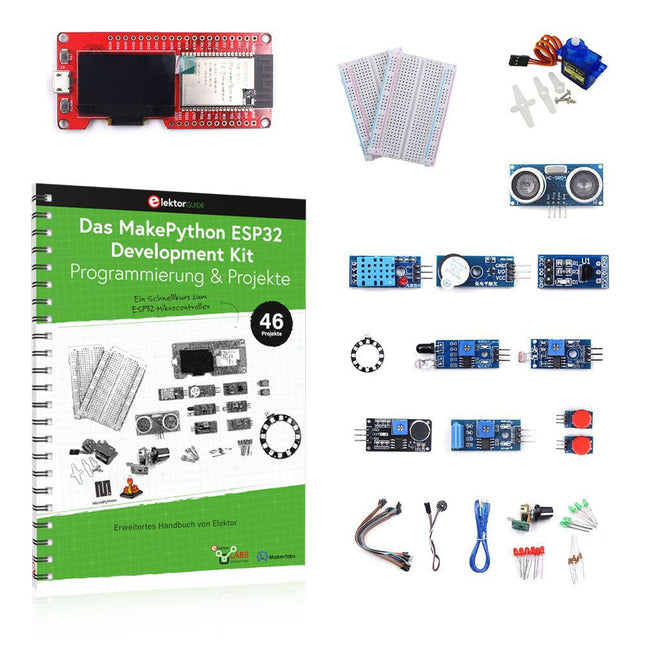
Das Projektbuch – geschrieben von Dogan Ibrahim – enthält viele Software- und Hardware-basierte Projekte, die speziell für das MakePython ESP32 Development Kit entwickelt wurden. Das Kit wird mit verschiedenen LEDs, Sensoren und Aktoren geliefert. Ziel des Kits ist es, grundlegende Kenntnisse für die Erstellung von IoT-Projekten zu erwerben.
Die in diesem Buch vorgestellten Projekte sind umfassend getestet und funktionsfähig und verwenden alle mitgelieferten Komponenten. Für jedes Projekt gibt es im Buch ein Blockdiagramm, einen Schaltplan, ein vollständiges Programmlisting und eine komplette Programmbeschreibung.
Lieferumfang des Kits
1x MakePython ESP32-Entwicklungsboard mit LCD
1x Ultraschall-Entfernungsmodul
1x Temperatur- und Feuchtigkeitssensor
1x Buzzer-Modul
1x DS18B20-Modul
1x Infrarotmodul
1x Potentiometer
1x WS2812-Modul
1x Schallsensor
1x Vibrationssensor
1x Lichtempfindliches Widerstandsmodul
1x Pulssensor
1x Servomotor
1x USB-Kabel
2x Taste
2x Steckplatine
45x Schaltdraht
10x Widerstand 330R
10x LED (Rot)
10x LED (Grün)
1x Projektbuch (Deutsch, 213 Seiten)
46 Projekte im Buch
LED-Projekte
Blinkende LED
Blinkendes SOS
Blinkende LED – mit einem Timer
Abwechselnd blinkende LEDs
Tastersteuerung
Ändern der LED-Blinkrate durch Taster-Interrupts
Laufschrift-LEDs
Binär zählende LEDs
Weihnachtsbeleuchtung (zufällig blinkende 8 LEDs)
Elektronischer Würfel
Glücklicher Tag der Woche
Pulsweitenmodulation (PWM) Projekte
Erzeugt eine 1000-Hz-PWM-Wellenform mit 50% Tastverhältnis
Steuerung der LED-Helligkeit
Messung der Frequenz und des Tastverhältnisses einer PWM-Wellenform
Melodie-Macher
Einfache elektronische Orgel
Steuerung eines Servomotors
Servomotor DS18B20 Thermometer
Analog-Digital-Wandler (ADC) Projekte
Spannungsmesser
Aufzeichnung der analogen Eingangsspannung
ESP32 interner Temperatursensor
Ohmmeter
Lichtempfindliches Widerstandsmodul
Digital-Analog-Wandler (DAC) Projekte
Erzeugung von Festspannungen
Erzeugen eines Sägezahnsignals
Erzeugen eines Dreieckssignals
Arbiträre periodische Wellenform
Generierung eines Sinussignals
Erzeugung eines genauen Sinussignals mit Hilfe von Timer-Interrupts
Verwendung des OLED-Displays
Sekundenzähler
Ereigniszähler
DS18B20 OLED-basiertes Digitalthermometer
ON-OFF Temperaturregler
Messung der Temperatur und Luftfeuchtigkeit
Ultraschall-Entfernungsmessung
Höhe einer Person (Stadiometer)
Messung der Herzfrequenz (Puls)
Andere mit dem Kit gelieferte Sensoren
Alarm bei Diebstahl
Tonaktiviertes Licht
Infrarot-Hindernisvermeidung mit Summton
WS2812 RGB-LED-Ring
Zeitstempel für Temperatur- und Luftfeuchtigkeitswerte
Netzwerk-Programmierung
WLAN-Scanner
Fernsteuerung über den Internetbrowser (mit einem Smartphone oder PC) – Webserver
Speichern von Temperatur- und Luftfeuchtigkeitsdaten in der Cloud
Low-Power-Betrieb
Aufwecken des Prozessors mit einem Timer
Das Raspberry Pi Compute Module 5 Development Kit bietet eine ideale Plattform für das Prototyping von Embedded-Lösungen. Dieses All-in-One-Kit enthält das Compute Module 5, das Compute Module 5 IO-Board und alles notwendige Zubehör, um mit dem Produktdesign zu beginnen.
Compute Module 5 (CM5104032)
2,4-GHz-Quad-Core-64-Bit-Arm-Cortex-A76-CPU
VideoCore VII GPU, unterstützt OpenGL ES 3.1 und Vulkan 1.3
4 GB LPDDR4X-4267 SDRAM
32 GB MLC eMMC-Speicher
1x Dual 4Kp60 HDMI-Display-Ausgang
1x 4Kp60 HEVC-Decoder
1x Dualband 802.11ac WLAN und Bluetooth 5.0
2x USB 3.0-Schnittstellen, die den gleichzeitigen 5 Gbit/s-Betrieb unterstützen
1x Gigabit Ethernet, mit IEEE 1588-Unterstützung
2x 4-spurige MIPI-Kamera-/Display-Transceiver
1x PCIe 2.0-Schnittstelle für schnelle Peripheriegeräte
30 GPIOs, die den Betrieb mit 1,8 V oder 3,3 V unterstützen
Peripherie: UART, SPI, I²C, I²S, SDIO und PWM
Compute Module 5 IO-Board
1x Standard 40-Pin GPIO
2x HDMI 2.0 in voller Größe
2x 4-spurige MIPI DSI/CSI-2 FPC (22-poliges Kabel mit 0,5 mm Rastermaß)
2x USB 3.0
1x Gigabit-Ethernet-Buchse mit PoE+ Unterstützung (erfordert einen separaten Raspberry Pi PoE+ HAT+)
1x M.2 M-Key PCIe-Sockel (für 2230, 2242, 2260 und 2280 Module)
1x microSD-Kartensteckplatz (zur Verwendung mit Lite-Modulen)
1x RTC-Batteriesockel
1x 4-poliger Lüfteranschluss
Compute Module 5 IO-Gehäuse
Das Metallgehäuse verwandelt das IO-Board in einen vollständig geschlossenen Computer in Industriequalität. Das IO-Gehäuse wurde speziell für das Raspberry Pi Compute Module 5 entwickelt und verfügt über einen integrierten Lüfter, der an den 4-poligen Lüfteranschluss des IO-Boards angeschlossen wird, um eine verbesserte Wärmeleistung zu gewährleisten.
Lieferumfang
1x Raspberry Pi Compute Module 5 (Wireless, 4 GB RAM, 32 GB eMMC)
1x Raspberry Pi Compute Module 5 IO-Board (im IO-Gehäuse vormontiert geliefert)
1x Raspberry Pi Compute Module 5 IO-Gehäuse
1x Raspberry Pi Compute Module 5 Kühler
1x Raspberry Pi Antennen-Kit
1x Raspberry Pi 27 W USB-C PD Netzteil (EU)
2x Raspberry Pi HDMI-zu-HDMI-Kabel
1x Raspberry Pi USB-A-zu-USB-C-Kabel
Downloads
Datasheet (Compute Module 5)
Datasheet (IO Board)
Datasheet (IO Case)
Datasheet (Cooler)
Datasheet (Antenna Kit)
,
von Saad Imtiaz
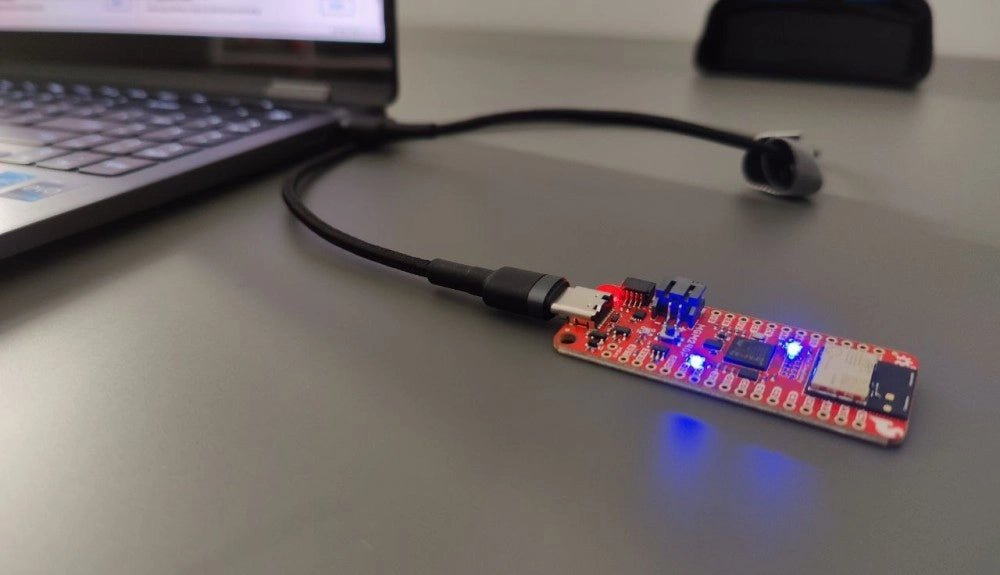
SparkFun Thing Plus Matter (MGM240P): Ein vielseitiges IoT-Entwicklungsboard basierend auf Matter (Testbericht)
Das SparkFun Thing Plus Matter - MGM240P ist ein vielseitiges und funktionsreiches Entwicklungsboard für die Erstellung von Matter-basierten IoT-Geräten. Matter, früher bekannt als Project CHIP...
,
von Udo Bormann
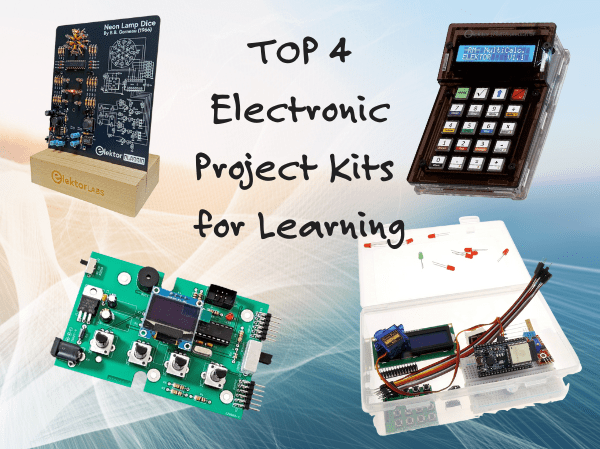
Die 4 besten Elektor-Elektronik-Projektbaukästen zum Lernen und Entwickeln von Fertigkeiten
Entdecken Sie vier der spannendsten Elektronikbausätze von Elektor - von IoT und Arduino bis hin zu Retro-Logik und Bewegungssteuerung. Egal, ob Sie gerade erst anfangen...